Task 3
1) Difference between system testing, integration testing and End to End testing?
system testing :
System testing done by a professional testing agent on the completed software product before it is introduced to the market.
It is a black box technique
Different Types of System Testing:

INTEGRATION TESTING is a level of software testing where individual units / components are combined and tested as a group. The purpose of this level of testing is to expose faults in the interaction between integrated units.
It is a white box testing technique.
End to End testing:
It test from beginning to ending
End-to-End testing is also called Chain Testing.
End to End Testing is usually executed after functional and system testing
The following diagram gives an overview of the End to End testing process.
.png)
2) Difference between regression, sanity and smoke tests?

When to perform Smoke Testing
- when the build has new changes made by the developers.
- When a new module is added to the existing functionality.
- To ensure that the introduced changes do not affect other existing functionalities of the product.
- To decide further testing can be carried forward or not.
Regression Testing:
Tests whether a newly added functionality has affected the existing functionality.
When to perform Regression Testing
- After some new features are added to the application
- After some bug fixes are incorporated into the build
Alpha Testing
Alpha Testing is a type of acceptance testing; performed to identify all possible issues and bugs before releasing the final product to the end users.
Alpha testing involves both white box and black box testing.
Alpha testing is to ensure the quality of the product before moving to Beta testing.
Alpha Testing performed by developer’s

Beta Testing:
- Does not require programming knowledge.
- focuses on the behaviour of the software.
- Testing done without the knowledge of the internal structure of the program or the application.
- Black Box testing is a not time-consuming process
- main goal to test the internal operation of the system.
- Requires programming knowledge.
- testing is done with knowledge of the internal structure of program.
- white box testing is a time consuming process.
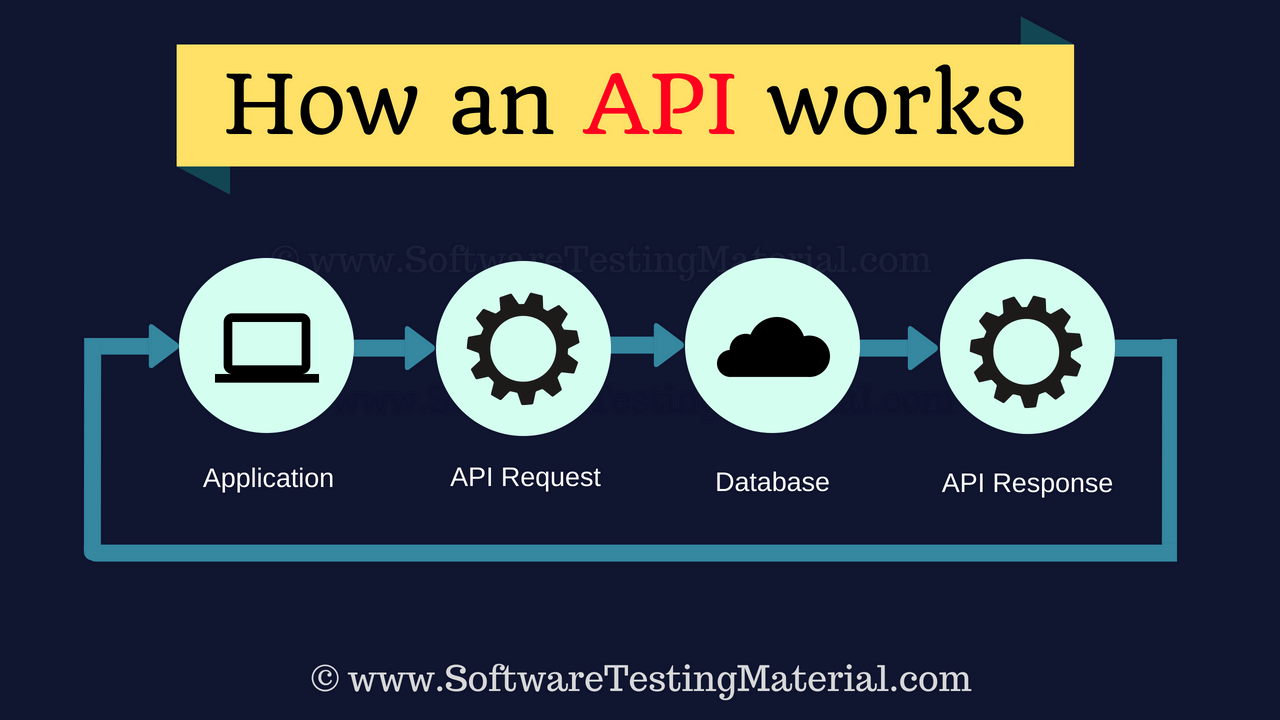
Assume an API as a Waiter at a Restaurant.
restaurant ==> we order food from menu==> waiter gives my order to cook ==>Once the food is ready==>the waiter picks up food from the kitchen and serves it to my table.
so, the waiter’s role is similar to an API. As a waiter, the API takes a request from a source, takes that request to the database, fetches the requested data from the database, and returns a response to the source.
6) What are the different types of non-functional testing?

1. Recovery Testing
Recovery testing checks the system’s ability to recover from different failure situation. I
2. Performance Testing
it checks if the system meets the expected response time.
3. Usability Testing
It usually takes place at the integration level.
4. Efficiency Testing
Efficiency testing is a kind of performance testing. It checks if the system utilizes its resources efficiently.
5. Maintainability Testing
ensures the capability of the system for further upgradations and to meet growing user needs.
6. Portability Testing
Portability testing ensures that the system works well in different environments without affecting its functionality.
7. Reliability testing
Reliability testing checks if the system works effectively for a longer period of time.
7) What is User Acceptance Testing and who does UAT?
- Compatibility testing is to check the application working in the same way for all platform
Comments
Post a Comment